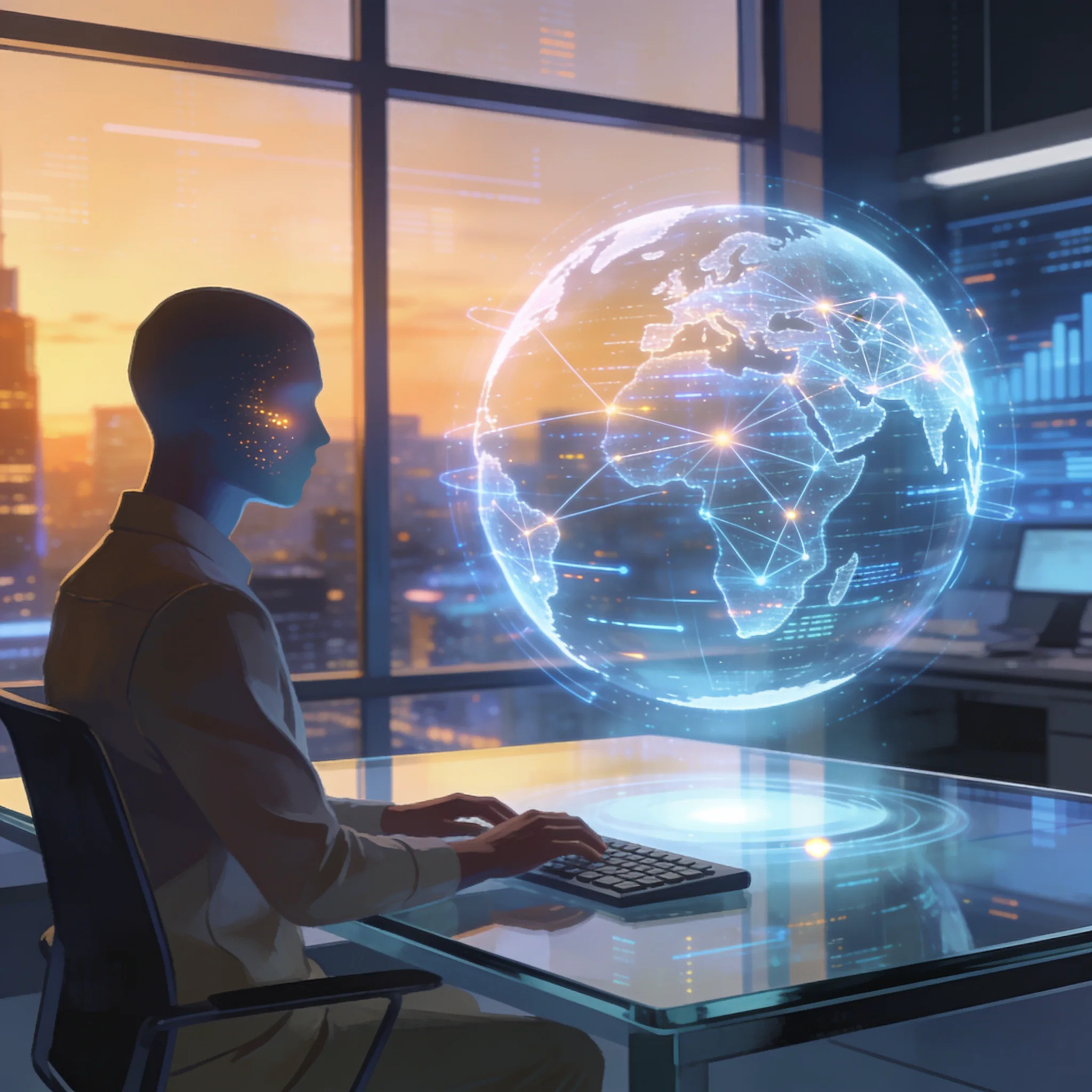
Cambridge Dictionary announced that 'human' is its 2026 word of the year. The selection reflects changes in language driven by the rapid expansion of artificial intelligence tools.
The dictionary defines the word as having the qualities, faults, and feelings that people have, as opposed to gods, animals, or machines. According to Colin McIntosh, an editor at Cambridge Dictionary, AI is changing how society talks about being human.
McIntosh highlighted the growing use of terms such as 'human-made.' People increasingly use this phrase to set their work apart from AI output. This shift indicates concerns about outsourcing thinking processes and a reevaluation of reliance on automated systems.
Other words considered for the shortlist included 'agent,' which now refers to AI systems that carry out tasks without direct human control. 'Wholesome' also appeared on the list, alongside a word tied to non-digital activities.
Last year, Cambridge chose 'parasocial' to describe one-sided bonds people form with AI chatbots. Earlier this month, Collins picked 'mogging,' meaning to outshine someone. New additions to the dictionary this year include 'looksmaxxing' and 'aura farming.'
What it means
This designation signals a cultural moment where the definition of human effort is under scrutiny. As generative AI becomes more prevalent, individuals and organizations may feel compelled to explicitly label content as human-created to establish value or authenticity.
For readers, this suggests a potential increase in demand for verified human authorship in creative, professional, and academic contexts. It remains unclear whether this trend will lead to permanent changes in hiring practices or consumer preferences regarding digital content.
Do you find yourself distinguishing between AI-generated and human-written work more often than before?