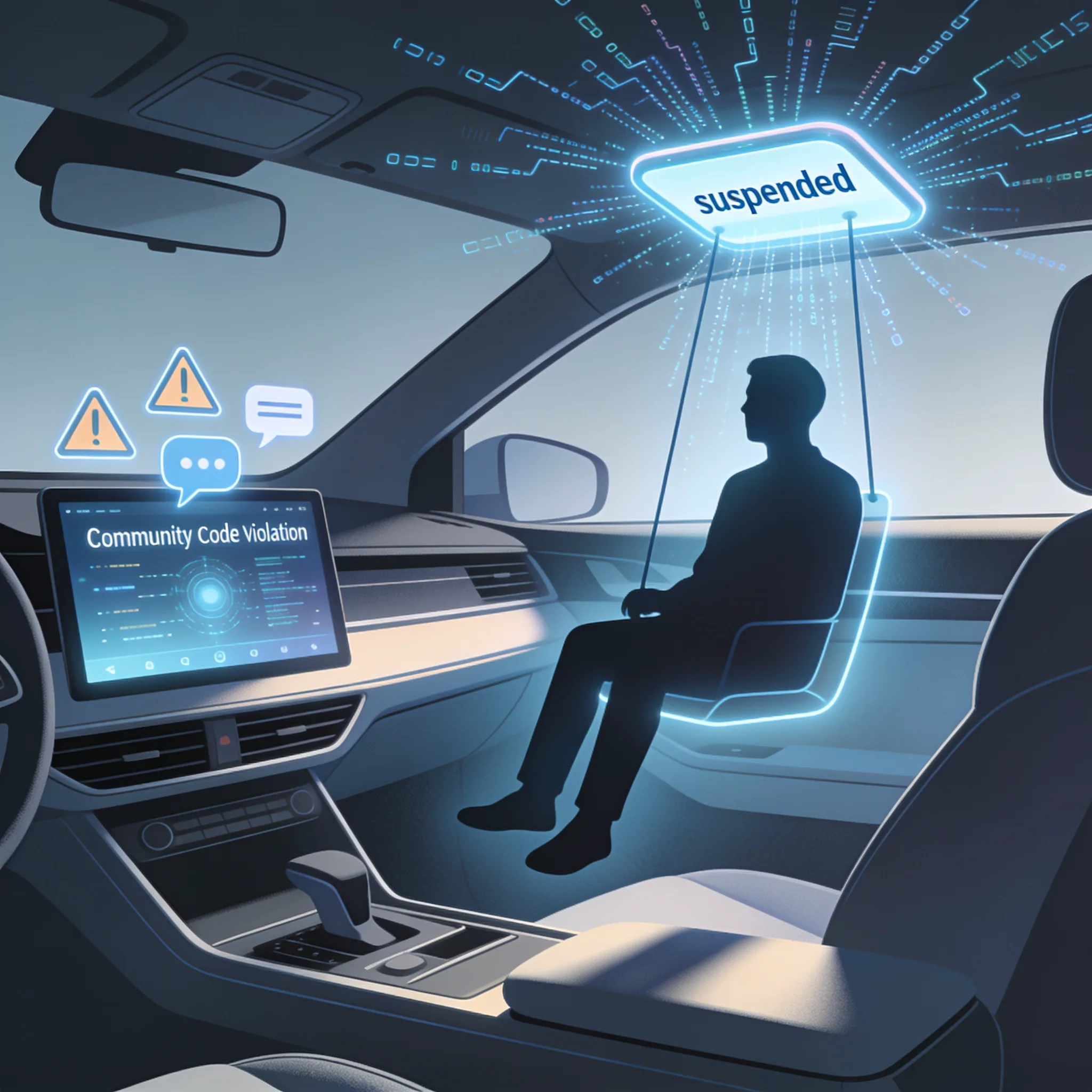
Uber has confirmed it can suspend or permanently deactivate passenger accounts that violate its Community Code. The platform enforces behavioral standards related to safety, mutual respect between riders and drivers, and compliance with local laws. Decisions are made after reviewing reports and available information.
What behaviors lead to bans?
Serious infractions include physical assaults, threats, harassment, discrimination, and fraudulent activities. Rules also cover intentional damage to vehicles, actions that endanger others, and misuse of the platform. Drivers can file complaints, and Uber considers these alongside other investigation data. Severe violations may result in immediate account loss without requiring repeated offenses.
Can low ratings cause account loss?
Yes. Uber maintains a minimum average rating threshold for continued service eligibility. Passengers falling below this limit risk losing access even without committing major violations. The company does not disclose the exact cutoff score but notifies users approaching the threshold and offers guidance. Ratings are calculated using the most recent 500 evaluations, meaning a single poor review has limited impact on frequent riders. Users can check their current score in the app menu under their profile.
Is the ban permanent?
Not always. Accounts may be temporarily suspended while Uber investigates allegations. During this period, ride requests are blocked until the review concludes. If no violation is found, access is restored. However, cases involving violence, harassment, or fraud typically lead to permanent exclusion. One violation can also affect other accounts linked to the same user.
How to appeal a deactivated account?
Users whose accounts were deactivated can request a review via Uber’s Help Center. A dedicated form titled "My account was deactivated" allows passengers to submit additional details contesting the decision. Steps include accessing the form, providing required information, entering an email address, confirming contact via a sent message, and awaiting analysis. No specific response timeframe is provided, and submitting an appeal does not guarantee reinstatement.
What it means
This policy shift emphasizes accountability for all platform participants. Riders who previously assumed only drivers faced consequences now face similar risks for misconduct. Frequent travelers should monitor their ratings closely, as cumulative feedback directly affects service access. While temporary suspensions offer a path to restoration, permanent bans for severe behavior leave little recourse beyond formal appeals.
The lack of disclosed rating thresholds creates uncertainty for users about when they cross the line. Appeals processes exist but remain opaque regarding success rates. This transparency gap may frustrate those mistakenly flagged or unfairly penalized.
Would you support stricter enforcement if it meant fewer unsafe rides, or worry about being banned due to a misunderstanding?